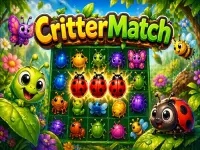
What The Match 3 Label Collects
Match 3 as a tag organizes many titles by the repeated action of aligning identical pieces to score and progress. The mechanic often includes cascades, timed tasks, or move limits that shape pacing and decision pressure. Browser titles under this label usually load fast, support quick sessions, and focus on logic puzzles with clear feedback loops. Access is broad, with no download play on most modern browsers.
Choosing By Mood And Pace
Pick relaxed logic puzzles when you want calm sorting tasks, choose timed titles when pressure suits your mood, and match session length to available time, device, and access needs. Selection depends on whether you prefer chain reactions, board variety, or short-session puzzle picks.
How The Match Rule Drives Play
The core mechanic asks players to swap adjacent pieces to form lines of three or more, which clears them and may create cascading effects. Many titles add special pieces, blocked cells, or shifting boards that change strategy without breaking the basic rule. Controls are usually tap or click, with drag support on mobile browser play. Pacing ranges from calm planning to fast reaction timing, depending on the chosen section. This mix lets players match depth to device fit and access style.
Refining Your Selection
Start with short rounds to test pacing, then keep titles that fit your current mood and device. Maintain focus by scanning the full board before swapping, and prefer no download games when you want instant access. Choose logic puzzles with move limits if you like planning, or timed tasks if you prefer pressure. Switch sections when a title feels too slow or too busy.
Why This Tag Helps Repeat Play
Match 3 supports quick sessions, short breaks, and repeat play because rounds end fast and progress is easy to track. The tag groups puzzle picks that stay readable on both mobile and desktop, so switching devices is simple. Players use this section to find browser titles with familiar mechanics, fresh board layouts, and varied pacing without learning new systems.
Match 3 FAQs
Q: Do all titles under this tag require three-in-a-row alignment? A: The basic rule uses three or more aligned pieces, though boards and effects vary.
Q: Can mobile browser play handle drag and tap swaps? A: Many titles support both, depending on layout and device touch support.
Q: Are logic puzzles in this section good for short sessions? A: Yes, most rounds end quickly and suit brief breaks between tasks.
Q: What makes no download games useful here? A: They remove setup steps, letting players test pacing and mechanics immediately.