Fast-Paced Browser Titles Under One Label
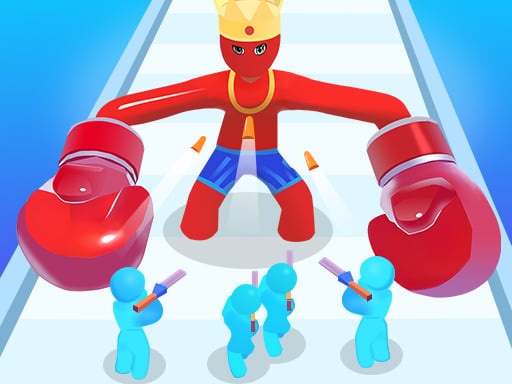
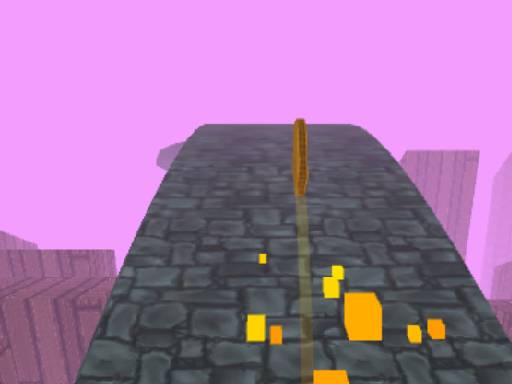
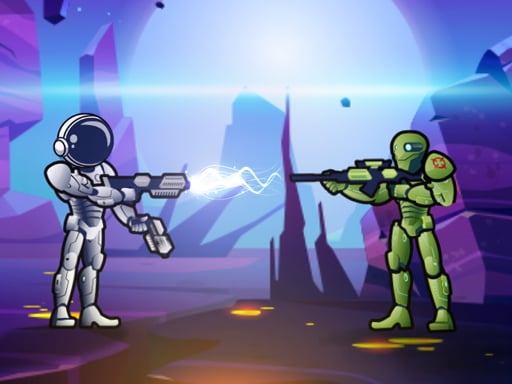
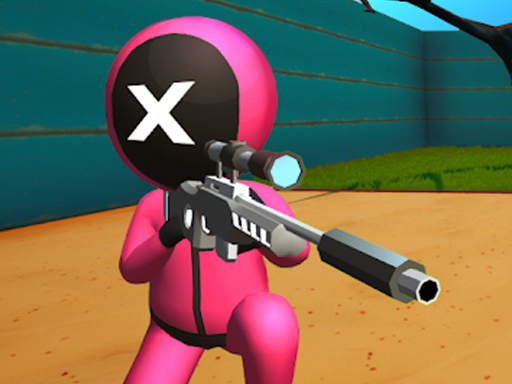
This tag organizes many playable titles sharing combat systems, movement-focused mechanics, and high-speed objectives. Typical actions include shooting, melee strikes, platforming, avoiding hazards, and completing timed challenges. Session lengths vary from short rounds to longer stages, but the common thread is sustained momentum. Players looking for reaction timing and immediate feedback will find this collection useful for quick selection.
Choosing Based on Pace and Play Style
Players can narrow choices by preferred pace, available time, and device, selecting combat-heavy titles for longer sessions or arcade-style picks for short bursts. Browsing by control scheme helps when choosing between keyboard-driven aiming, touch-friendly movement, or mouse-based precision.
Mechanics and Access Details
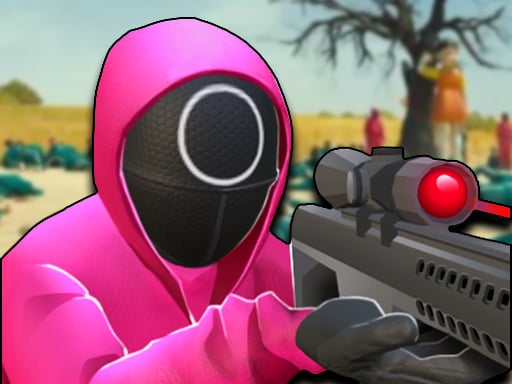
Most titles under this label emphasize movement, aiming, dodging, and rapid input to overcome enemies or obstacles. Pacing tends to be fast, with short feedback loops between action and result. Many modern browser titles load quickly without downloads, supporting both desktop and mobile screens depending on control design. Action titles often feature combat play, shooting picks, and survival sections requiring sustained attention. Access is browser-based, meaning players can test multiple titles without installation.
Practical Selection Advice
Start with shorter arcade-style picks to gauge pacing preference before committing to longer combat-heavy stages. Maintain awareness of control requirements, since some titles need precise aiming while others favor movement avoidance. Check device compatibility when switching between desktop and mobile screens. Prioritize titles matching current mood and available session length.
Why Players Return to This Section
This tag offers replay value through varied combat mechanics, pacing differences, and session flexibility. Players use it when seeking immediate interaction without setup or long tutorials. The collection supports both quick browsing and extended play depending on selected titles.
Juegos de Acción FAQs
Q: Do action titles require fast reflexes? A: Many rely on quick movement, aiming, and dodging to progress through combat encounters.
Q: Can shooting picks work on mobile screens? A: Some titles support touch controls when the layout and button placement fit the display.
Q: Are combat sections good for short sessions? A: Many arcade-style picks work well when rounds are brief and objectives are immediate.
Q: Do browser-based action titles load quickly? A: Most modern titles load without downloads, though complexity may affect initial loading time.