


















Agent Hunt Hitman Shooter Mission Guide and Tips
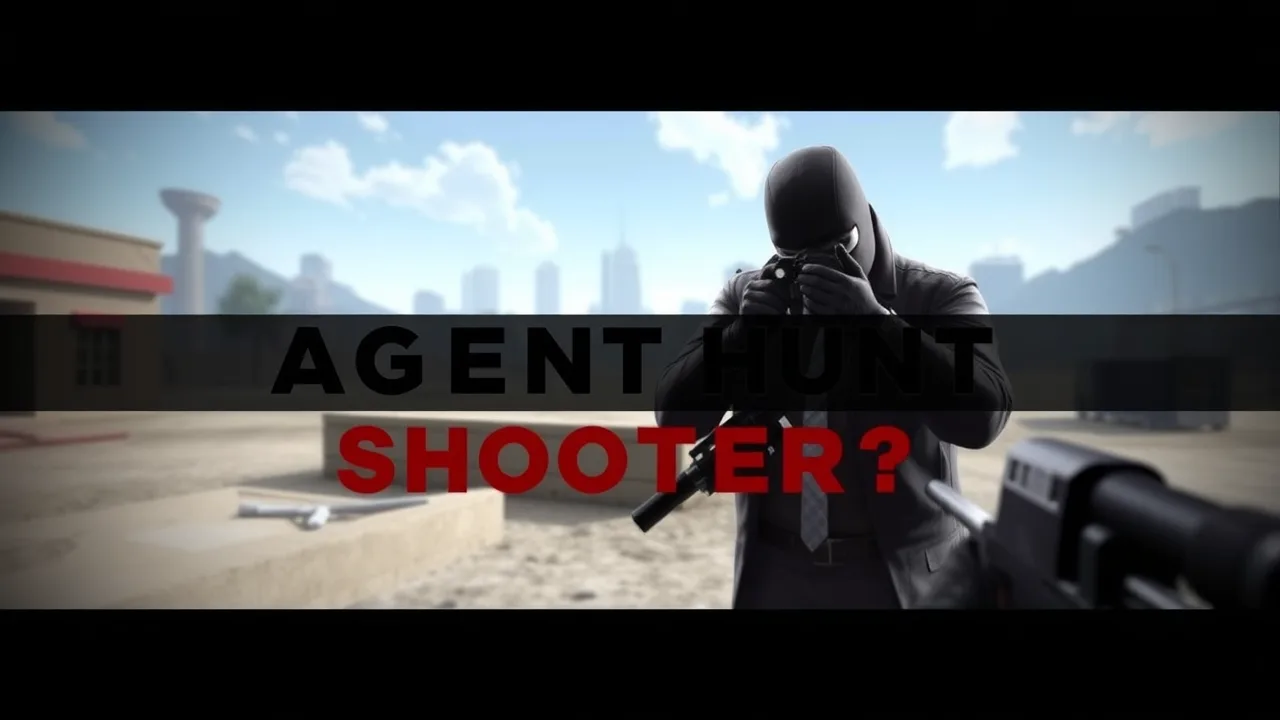
Explore the fast-paced world of agent hunt hitman shooter with practical strategies and a clear breakdown of its core mechanics. This guide focuses on delivering actionable tips that help you improve aim, movement, and mission planning while keeping the experience engaging and accessible for players of all skill levels.
This keyword page works best when it helps players move from general interest to a more focused selection inside the Shooting Games category. For readers who want more games related to agent hunt hitman shooter, agent hunt hitman shooter gives a direct path to similar options without breaking the flow of the page.
Agent hunt hitman shooter centers on a tight loop of infiltration, target identification, and precision engagement. Players move through compact arenas, scan for threats, and pick the right moment to strike. The game rewards clean execution, so staying calm under pressure is key. Each session feels snappy, with short rounds that encourage quick retries and steady improvement. The blend of stealth and shooting creates a satisfying rhythm where patience and timing matter as much as raw accuracy.
Because the action is fast, you will benefit from learning how to read enemy patterns and map layouts. Focus on sightlines, cover spots, and exit routes before you pull the trigger. A smart agent plans the shot and the escape at the same time. This mindset keeps your gameplay consistent and reduces panic during tense moments.
Essential Controls and Movement Basics
Smooth movement is the backbone of success in this shooter. Start by getting comfortable with your aim sensitivity so you can track targets without overshooting. Practice strafing left and right while keeping your crosshair steady, and use crouch or prone when you need to shrink your profile behind low cover. Quick turns and controlled bursts of fire will help you stay accurate while staying mobile.
Good habits include pre-aiming corners, keeping your crosshair at head level, and using short bursts instead of spraying. These small adjustments tighten your aim and reduce wasted ammo. As you build muscle memory, your decisions will feel faster and your shots more reliable.
Mission Planning and Target Prioritization
Before you engage, take a moment to read the field. Identify the highest-value targets and the ones that pose the biggest threat to your position. Prioritize enemies that can call for reinforcements or have clear lines of sight on your approach. When you pick your first target, make sure it opens a safe path to your next move.
Timing is just as important as target choice. Wait for patrols to split, for distractions to draw eyes away from your angle, or for a moment when the scene is quieter. A well-planned sequence turns a chaotic fight into a clean series of moves. Keep your plan flexible so you can adapt if a guard spots you or if a new threat appears.
| Feature | Details |
|---|---|
| Gameplay style | Fast-paced shooting with stealth elements and precision focus |
| Controls | Standard movement, aim, crouch, and fire inputs with adjustable sensitivity |
| Session pace | Short, replayable rounds ideal for quick practice and improvement |
| Device fit | Optimized for desktop and mobile browsers with responsive controls |
| Category match | Shooting Games with action and skill-based progression |
Aim Techniques for Consistent Hits
Consistent aim comes from smart technique, not just fast reflexes. Start with your crosshair placement: keep it where enemies are likely to appear so you spend less time adjusting when a target shows up. Use short, controlled bursts to maintain accuracy, and aim for the upper chest or head to maximize damage. If you miss the first shot, reset your aim rather than panicking and spraying.
Practice tracking moving targets by leading them slightly and matching their speed. If your sensitivity feels too twitchy, lower it until your tracking becomes smoother. If it feels sluggish, raise it a bit to help with quick turns. Small tweaks can make a big difference, and steady practice will turn good habits into reliable performance.
Map Awareness and Positioning
Good positioning keeps you alive and gives you more options. Use cover to break line of sight and control angles, and avoid standing in the open after a shot. High ground often provides better visibility, but it can also make you an easy target if you stay exposed too long. Rotate between spots to keep enemies guessing and to find safer angles.
Listen for audio cues and watch for movement that reveals enemy routes. Knowing where threats come from lets you set up ambushes and escape paths. A strong position is not just about where you stand; it is about how quickly you can move to the next safe spot after you engage.
Stealth Tactics and Timing
Stealth is not about avoiding every fight; it is about picking the right fight at the right time. Move patiently, watch patrol patterns, and wait for openings that reduce the number of active threats you face. Use distractions to pull enemies away from your path, and stay quiet when you are close to sensitive areas. If you must engage, make it fast and clean to avoid drawing attention.
When stealth breaks, do not panic. Reposition immediately, use cover, and re-engage from a safer angle. The ability to transition smoothly from stealth to action is a core skill that keeps you in control even when plans change.
Weapon Choice and Loadout Tips
Choose weapons that fit your playstyle and the demands of each scenario. If you prefer precise shots, a semi-automatic option with low recoil can help you land headshots consistently. If you like aggressive pushes, a fast-firing weapon with solid handling can keep pressure on targets. Balance your choice with mobility so you can move quickly between cover and angles.
Keep your loadout simple and focused. Too many options can slow your decisions, so stick to a primary and a backup that you know well. Learn the effective range and damage profile of your weapons so you never take a fight at a disadvantage. Confidence in your gear is just as important as raw power.
Improving Through Practice and Review
Progress comes from deliberate practice. Pick one skill at a time, such as tracking, crosshair placement, or timing your shots, and drill it for a few rounds. Focus on consistency before speed. As you improve, layer in more advanced tactics like angle snapping and controlled repositioning. Short, focused sessions are more effective than long, unfocused ones.
After each round, think about what worked and what did not. Did you pick the right angle? Did you time your shot well? Did you escape cleanly? Use those notes to guide your next session. Small adjustments add up, and your gameplay will feel smoother and more confident over time.
FAQ
What is the best way to start learning this game? Begin by focusing on movement and crosshair placement. Spend a few rounds practicing smooth aiming and controlled bursts, then add timing and target prioritization once your fundamentals feel solid.
How do I handle tough fights when I am outnumbered? Break the fight into smaller pieces. Use cover to isolate enemies, reposition after each shot, and pick off threats one by one. Patience and angles beat raw aggression.
Should I prioritize stealth or action? Use stealth to set up favorable engagements, then switch to action when needed. The best players blend both, staying quiet until the perfect moment and then acting decisively.
What settings help most with aim? Adjust sensitivity until your tracking feels smooth and your flicks are controllable. Turn off distractions, keep your crosshair at head level, and practice short bursts to build consistency.
How do I keep my sessions productive? Set small goals for each round, review your decisions, and focus on one skill at a time. Short, focused practice beats long, unfocused play.
Ready to put these tips into action? Jump in and play now at agent hunt hitman shooter and see how your skills stack up.