


















Board: A Classic Puzzle Game for Strategic Minds
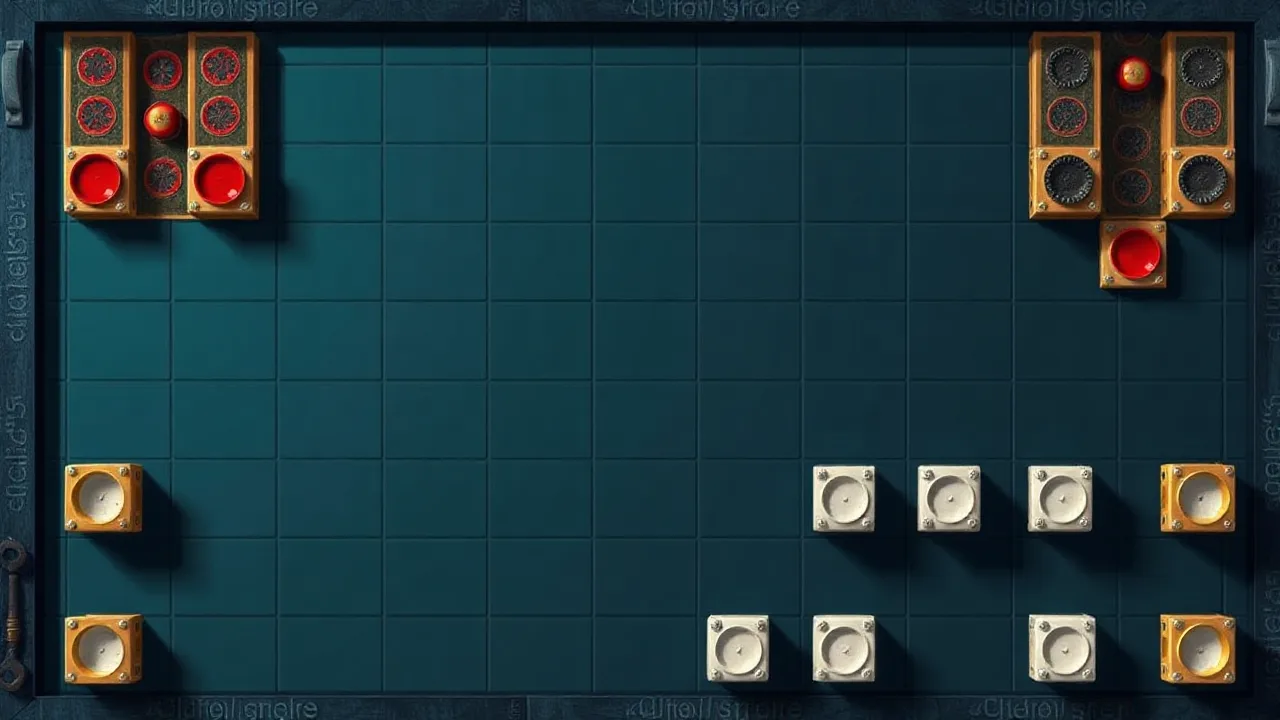
Welcome to the world of Board, a timeless puzzle game that challenges your strategic thinking and spatial awareness. This page serves as your complete guide to understanding and enjoying this classic title, where every move counts and careful planning leads to victory.
At its heart, Board is a game of pure strategy. Unlike action titles that rely on reflexes, this experience rewards patience and foresight. The objective is simple to state but difficult to master: arrange the pieces to achieve a specific goal state. Whether you are sliding tiles or placing markers, the underlying logic remains consistent. You must anticipate how your current action will impact the board several turns down the line. It is a mental workout that sharpens your ability to visualize patterns and consequences before they happen.
The controls are intuitive, usually involving simple clicks or taps to select and move pieces. However, the depth comes from the rules governing movement. Some pieces might only move in straight lines, while others could have diagonal capabilities. Learning these constraints is the first step toward mastery. The game does not rush you; it allows for a contemplative pace where you can undo moves and experiment with different solutions. This accessibility makes it perfect for beginners, yet the increasing complexity of levels ensures that veterans remain engaged.
Why Strategic Thinking Is Essential for Success
Success in Board is not accidental. It is the result of deliberate planning. Players often find themselves thinking several steps ahead, similar to a game of chess. You need to evaluate the risk versus reward of every placement. A move that looks beneficial in the immediate moment might block your path to victory later on. This constant evaluation trains your brain to recognize efficient pathways and avoid dead ends.
Strategic thinking also involves resource management. In many variations of this game, you have a limited number of moves to complete the level. Wasting a move on an ineffective placement can cost you the game. Therefore, efficiency is key. You will learn to identify the most critical pieces on the board and prioritize their movement. This focus on optimization is what separates a casual player from a true strategist.
Exploring Different Puzzle Variations
While the core concept of Board remains the same, the specific challenges can vary greatly. Some levels might focus on color matching, requiring you to group similar pieces together. Others might involve clearing lines or filling a grid completely. These variations keep the gameplay fresh and prevent it from becoming repetitive. Each new puzzle type introduces a unique twist that forces you to adapt your strategy.
For instance, spatial puzzles require you to fit shapes into a confined area without overlapping. Logic puzzles might present you with a grid of numbers where you must deduce the correct placement based on clues. The diversity of these challenges ensures that your problem-solving skills are tested in multiple ways. You are never just solving the same puzzle over and over; you are constantly learning new techniques.
Mastering the Art of Pattern Recognition
A key skill in Board is pattern recognition. As you play more levels, you will start to notice recurring layouts and solutions. Your brain will naturally begin to categorize these patterns. You might recognize a specific configuration that signals a trap or an opportunity. This subconscious processing speeds up your decision-making and allows you to solve complex puzzles with greater ease.
Developing this skill requires observation. Pay attention to the starting position of the pieces. Look for symmetry or clusters that might indicate the intended solution path. Often, the game provides subtle hints through the arrangement of the elements. By training your eye to spot these details, you can bypass trial-and-error methods and move directly to logical deduction.
Quick Reference Guide to Board
| Feature | Details |
|---|---|
| Gameplay Style | Turn-based strategy and logic puzzles |
| Controls | Point-and-click or tap-to-move interface |
| Session Pace | Relaxed and contemplative |
| Device Fit | Optimized for desktop and mobile screens |
| Category Match | Ideal for fans of classic puzzle games |
Tips for Beginners to Improve Their Game
If you are new to Board, start by taking your time. There is no penalty for thinking, so use that to your advantage. Before making a move, try to visualize the outcome. Ask yourself, "If I move this piece here, where can it go next?" This simple habit will save you from many mistakes.
Another helpful tip is to work backwards. Look at the goal state and try to figure out which pieces need to be in place to achieve it. Then, trace the path back to the current state. This reverse engineering approach can often reveal the solution more clearly than looking forward from the start. Don't be afraid to experiment; sometimes, seeing a mistake is the best way to understand the correct path.
The Benefits of Playing Logic Puzzles
Playing Board offers more than just entertainment; it provides cognitive benefits. Regular engagement with logic puzzles has been shown to improve memory and concentration. It encourages neuroplasticity by forcing your brain to form new connections. The focus required to solve a difficult level acts as a form of meditation, clearing your mind of distractions.
Additionally, the sense of accomplishment you feel after solving a challenging puzzle releases dopamine, which boosts your mood. It is a healthy way to manage stress and anxiety. By dedicating time to this game, you are investing in your mental well-being while having fun. It is a productive pastime that sharpens your mind.
Frequently Asked Questions About Board
Is this game suitable for all ages?
Yes, the mechanics are simple enough for children to understand, but the depth of the puzzles provides a challenge for adults as well. It is a family-friendly game that anyone can enjoy.
Do I need an internet connection to play?
Most versions of Board are designed to be played offline once loaded. This makes it a great option for playing on the go without worrying about data usage or connectivity issues.
How long does a typical level take to complete?
Levels can range from a few seconds to several minutes, depending on the complexity. The game is designed for short sessions, making it perfect for quick breaks during the day.
Can I reset a level if I get stuck?
Absolutely. The game includes a restart feature that allows you to clear the board and start fresh. This encourages experimentation without the fear of permanent failure.