



















Challenging ww2 Puzzle Games for Strategy Lovers
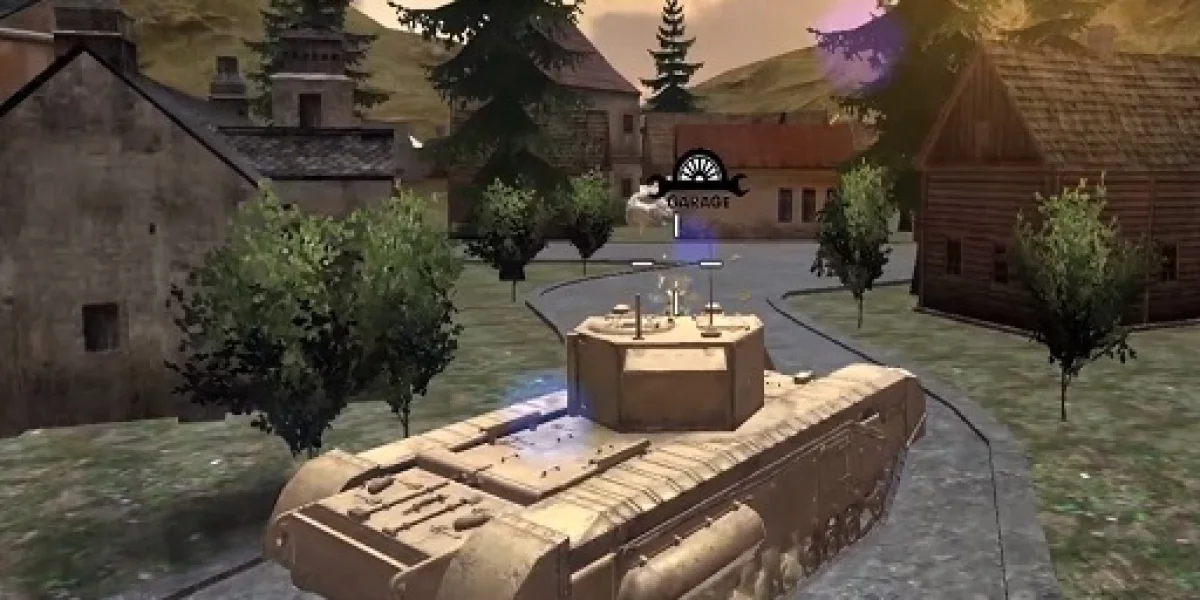
Step into a world of tactical thinking and historical intrigue where every move counts. This puzzle experience blends brain-teasing challenges with strategic depth, inviting players to solve complex scenarios inspired by pivotal moments. Whether you are a casual solver or a dedicated tactician, the game offers a rewarding path to mastery through careful planning and logical deduction.
Strategy enthusiasts are naturally drawn to puzzles that require foresight and planning. The appeal lies in the way each challenge mirrors real-world decision making, where every choice carries weight. In this title, the tension between limited resources and ambitious objectives creates a compelling loop of problem solving. Players must assess situations, anticipate outcomes, and execute plans with precision. The satisfaction comes not just from finding the right answer, but from understanding why it works. This blend of cerebral gameplay and thematic immersion makes the experience uniquely engaging for those who enjoy thoughtful, measured play.
Core Mechanics That Define the Experience
At its heart, the game revolves around resource allocation, pathfinding, and goal prioritization. Players are presented with grid-based or scenario-driven puzzles that demand careful analysis. Each level introduces new variables such as terrain restrictions, unit movement, or time-sensitive objectives. Success requires balancing offensive and defensive considerations while managing limited moves. The mechanics are easy to learn but difficult to master, creating a smooth learning curve that rewards persistence. Visual cues and clear feedback help players understand their progress, while hidden layers of complexity keep the experience fresh across multiple sessions.
How to Approach Each Puzzle with Confidence
Confidence in puzzle solving grows from methodical thinking. Start by scanning the entire board or scenario to identify key choke points and opportunities. Break the challenge into smaller steps rather than attempting a single grand strategy. Consider the consequences of each potential move before committing. Sometimes the optimal path is not the most obvious one, so patience is essential. Use trial and error to test hypotheses, and learn from mistakes without frustration. Over time, you will develop an intuitive sense of which tactics yield the best results, making each new puzzle feel like an exciting test of skill.
Building a Winning Mindset for Long Sessions
Sustained success in strategic puzzles depends on mental stamina and focus. Begin each session with a clear goal and avoid rushing through levels just to see the next one. Take short breaks between difficult puzzles to reset your perspective. Keep a mental note of recurring patterns and solutions, but stay flexible enough to adapt when conditions change. Celebrate small victories to maintain motivation, and remember that every setback is a learning opportunity. By cultivating patience and curiosity, you transform each session into a productive exercise in critical thinking rather than a grind.
Visual Style and Atmospheric Immersion
The visual presentation plays a crucial role in making the puzzles feel alive. Clean interfaces and readable symbols ensure that players can focus on strategy without distraction. Thematic elements such as maps, icons, and subtle background details reinforce the historical context without overwhelming the gameplay. Color choices are carefully made to highlight important information, while animations provide satisfying feedback for successful moves. The overall aesthetic balances clarity with atmosphere, creating a space where players can lose themselves in the challenge while staying fully informed about the state of play.
Progression Systems and Replay Value
Long-term engagement is supported by a thoughtful progression system that unlocks new challenges as players demonstrate mastery. Early levels introduce fundamental concepts, while later stages combine multiple mechanics into intricate scenarios. Optional objectives and hidden collectibles encourage revisiting completed puzzles to discover every detail. The game’s design ensures that each replay feels purposeful rather than repetitive, with subtle variations that test different aspects of strategic thinking. This structure keeps the experience fresh and provides a steady stream of goals for players who love to optimize their performance.
Community Insights and Shared Strategies
One of the most rewarding aspects of playing a strategic puzzle is learning from others. Online communities often share clever solutions, alternative approaches, and discussions about the most challenging levels. Engaging with these resources can reveal new perspectives and help you overcome roadblocks. While it is important to develop your own style, seeing how others tackle the same problems can expand your tactical toolbox. Remember to balance community input with personal experimentation, as the best strategies often come from a mix of external inspiration and independent discovery.
Getting Started and Where to Play
Ready to dive in? You can jump straight into the action by visiting the official game page through this link: ww2. The interface is straightforward, allowing you to start solving puzzles immediately without complicated setup. Begin with the introductory levels to familiarize yourself with the mechanics, then progress at your own pace. Whether you have five minutes or an hour to spare, the game adapts to your schedule, making it easy to fit strategic fun into your day.
FAQ
Is this game suitable for beginners? Yes, the early levels are designed to teach core concepts gently, making it accessible for players new to strategic puzzles.
Do I need to know history to enjoy it? While a basic awareness of historical themes adds context, the puzzles are built to be solved through logic and strategy alone.
Can I play on mobile devices? The game is optimized for various screen sizes, allowing you to enjoy the challenge on phones and tablets as well as desktop.
Are there hints if I get stuck? Helpful hints and feedback systems are included to guide you without giving away the entire solution.
How long does a typical level take? Completion time varies based on complexity, but most puzzles can be solved within a few minutes of focused play.