




















Mastering the Challenge of Solitaire Turn 3 Klondike
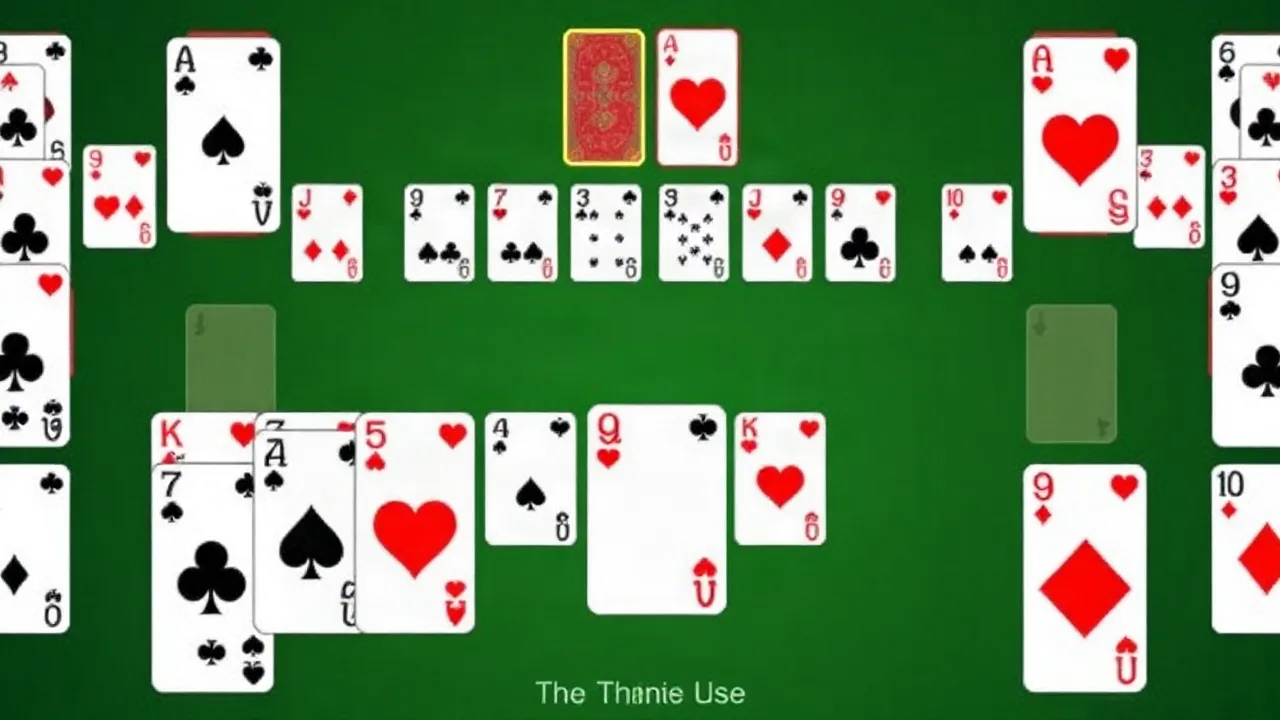
Solitaire Turn 3 Klondike is a classic and challenging variation of the traditional card game that demands strategic thinking and patience. This version of the popular puzzle game flips three cards at a time from the stockpile, significantly increasing the difficulty and requiring more careful planning than the standard Turn 1 variant. It is a perfect choice for players seeking a more complex and rewarding experience within the world of free online games.
Understanding the Core Gameplay Mechanics
In this Turn 3 variant, the fundamental objective remains the same: build four foundation piles from Ace to King, sorted by suit. The primary difference lies in how you access new cards. When you draw from the stockpile, three cards are revealed at once. However, only the topmost card of the trio is available to be played onto the tableau or the foundations. You must play this card before you can access the two cards beneath it. This mechanic forces you to think several moves ahead, as the card you need might be buried under two others.
Strategic Planning for the Tableau
Success hinges on careful tableau management. You must build descending columns of alternating colors as usual, but the limited card access means you cannot afford to make random moves. Before moving a card, consider its implications for the entire board. Ask yourself if this move will free up a more useful card or if it will block access to a needed suit. A common strategy is to prioritize uncovering hidden cards within the tableau columns before drawing from the stock, as this provides more immediate options and control over the game state.
Efficient Use of the Stockpile
The stockpile is your lifeline, but it's also a potential trap. Since you cycle through it three cards at a time, it's easy to get stuck in a loop without making progress. A key tip is to use the stockpile deliberately. Try to play as many tableau cards as possible before drawing new ones. When you do draw, remember the order of the three cards. You might see a useful card in the middle of the trio, but you'll have to play the top card first, which might not be helpful. Sometimes, the best move is to cycle through the stock multiple times, hoping the card order shifts in your favor on the next pass.
Key Differences from Turn 1 Solitaire
Compared to the more common Turn 1 Klondike, this version is significantly more challenging. The Turn 1 rule allows you to play any card drawn from the stock, offering greater flexibility and more frequent opportunities to advance. Turn 3 reduces your available moves per draw, making each decision more critical. The game requires deeper foresight and a higher tolerance for complex board states. It's a true test of a solitaire enthusiast's skill and adaptability.
| Feature | Details |
|---|---|
| Gameplay Style | Classic patience card game with increased difficulty |
| Controls | Click/tap to select and drag cards or use double-click for auto-move |
| Session Pace | Slow to medium; requires thoughtful deliberation |
| Device Fit | Excellent on desktop, tablet, and mobile browsers |
| Category Match | Puzzle, Card Game, Brain Teaser |
Advanced Techniques for Difficult Boards
When you encounter a seemingly impossible board, don't give up. Look for indirect ways to create space. Sometimes, moving a card to a foundation pile, even if it doesn't seem immediately beneficial, can be the key to unlocking a sequence on the tableau. Also, pay close attention to the colors. Since you need alternating colors in the tableau, planning a sequence that sets up a future color pattern is crucial. Don't be afraid to temporarily move a card to a different column if it helps achieve a more important goal elsewhere.
Why This Version Appeals to Strategy Lovers
This game attracts players who enjoy a mental challenge. The increased difficulty transforms a relaxing pastime into a stimulating puzzle. Every win feels earned, and the process of solving a complex board is deeply satisfying. It's an excellent addition to any game library for those who appreciate games that reward foresight and logical thinking over simple luck.
Common Mistakes to Avoid
A frequent error is drawing from the stockpile too quickly out of impatience. This often leads to cycling through the same unhelpful cards repeatedly. Another mistake is focusing solely on building the foundations while neglecting the tableau. A strong, well-organized tableau is the foundation of any successful game. Lastly, avoid moving cards without a clear purpose. Every move should have a strategic reason, whether it's uncovering a hidden card, building a sequence, or preparing for a future play.
Enjoying a Timeless Digital Card Puzzle
Whether you're a seasoned solitaire veteran or a newcomer looking for a robust challenge, Solitaire Turn 3 Klondike offers endless replayability. Its simple rules hide a deep strategic core that can provide hours of engaging entertainment. You can easily find this and other browser-based games in many online game catalogs, ready to play instantly without any downloads. It remains a definitive test of skill in the solitaire family.
Frequently Asked Questions
What is the main goal of Solitaire Turn 3 Klondike?
The goal is to move all cards to four foundation piles, building each suit from Ace up to King. You must follow suit and ascending order.
How does the "Turn 3" rule change the game?
When you draw from the stock, three cards are flipped over. Only the top card is playable. You must play that card before you can access the two beneath it, making the game more strategic and less reliant on luck.
Is this version winnable?
Yes, it is winnable, but it has a lower win rate than Turn 1 Klondike due to the restricted card access. Success depends heavily on strategy and sometimes a bit of favorable card distribution.
Can I undo moves?
Most digital versions include an undo feature, which is highly recommended for this challenging variant. It allows you to experiment with moves and correct mistakes without restarting the game.
What's a good starting strategy?
Start by examining the tableau. Try to make any possible moves within the columns before drawing from the stock. Focus on uncovering hidden cards and building sequences that free up aces and twos.