


















Ultimate Guide to Mastering parkour games
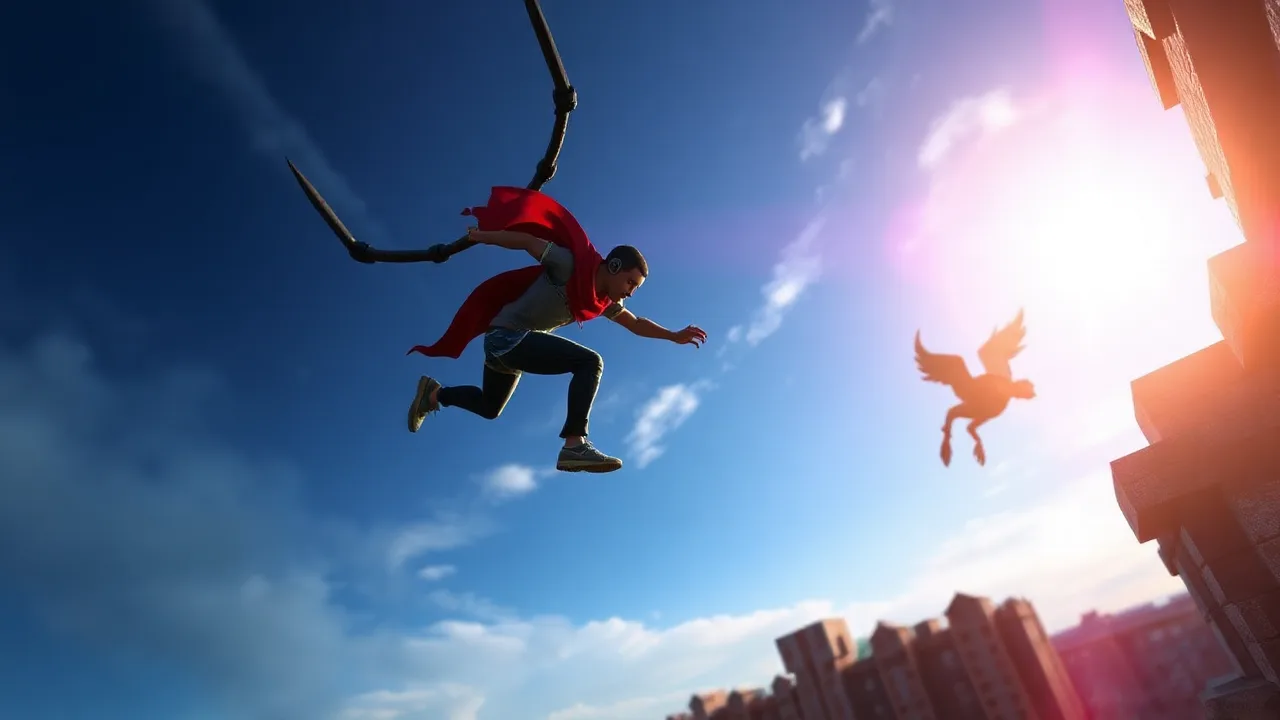
Explore the fast-paced world of parkour games and discover how to refine your movement skills for more fluid runs. This guide focuses on practical techniques, smart practice routines, and performance tweaks to help you master every leap and landing.
This keyword page works best when it helps players move from general interest to a more focused selection. For readers who want more games related to parkour games, parkour games gives a direct path to similar options without breaking the flow of the page.
At its core, parkour games reward clean movement and smart routing. Instead of rushing blindly, learn to read the environment and identify the most efficient path between points. Look for ledges, vaults, and slides that chain together smoothly. The best players keep their momentum by minimizing stops and planning two moves ahead. Start by practicing simple lines—short sequences of jumps and climbs—then expand them as your confidence grows. A steady rhythm will help you maintain speed without sacrificing control, which is essential for tackling trickier courses.
Essential Controls and Input Tips
Mastering your controls is the foundation of consistent performance. Use the run key to build speed, jump at the edge of platforms for distance, and hold crouch to slide under obstacles. Many parkour games also include a dedicated mantling input that helps you pull yourself onto ledges smoothly. Remap keys or adjust controller bindings so your most used actions feel natural and responsive. Practice directional jumps to control your trajectory in midair, and experiment with strafing to line up landings more precisely. Small adjustments to sensitivity and dead zones can make a big difference in accuracy.
Building Rhythm and Timing
Rhythm is the invisible glue that holds your runs together. Focus on timing your inputs to match the pace of the course rather than reacting late to each obstacle. Use visual cues—like painted markers or environmental textures—to anticipate when to jump or slide. Short, consistent practice sessions help you internalize timing without fatigue. Try repeating a specific line until your inputs feel automatic, then add variations to test your adaptability. As your timing improves, you’ll notice smoother transitions and fewer mistakes, which naturally boosts your overall speed.
Planning Routes and Reading the Map
Smart route selection can save time and reduce risk. Before you move, scan ahead for alternate paths, safer landings, and shortcuts that avoid unnecessary hazards. Some routes prioritize verticality for style points, while others focus on horizontal speed for time trials. Learn to balance risk and reward by choosing lines that match your current skill level. As you become more familiar with the map, you’ll start spotting hidden opportunities—like a ledge that sets up a perfect slide or a wall that enables a quick vault. Keep your routes flexible so you can adapt when a plan doesn’t work out.
| Feature | Details |
|---|---|
| Gameplay style | Fast-paced movement with jumps, vaults, slides, and mantles |
| Controls | Run, jump, crouch/slide, and mantle inputs with customizable bindings |
| Session pace | Short, repeatable runs with quick restarts for practice |
| Device fit | Playable on modern browsers and devices with keyboard or controller |
| Category match | Sports and action-focused movement challenges |
Practicing Efficiently
Effective practice is about quality, not just quantity. Choose a specific section of a course and run it repeatedly until your movements feel smooth and consistent. Use slow-motion or ghost replay features if available to study your line and spot areas for improvement. Break complex sequences into smaller chunks, then combine them once each part is reliable. Record your runs to review mistakes and celebrate progress. Keep your sessions focused—short, intentional practice beats long, unfocused play. Over time, this targeted approach builds muscle memory and confidence.
Common Mistakes and How to Fix Them
Many players struggle with overjumping, which leads to missed ledges or poor landings. To fix this, approach edges at a controlled speed and tap jump rather than holding it. Another frequent issue is panicking under pressure, which causes rushed inputs and sloppy lines. Slow down, breathe, and commit to your planned route. If you keep colliding with obstacles, check your camera angle—poor visibility can make it hard to judge distances. Adjust the field of view if the game allows it, and keep your crosshair or focus point steady. Small corrections add up to cleaner runs.
Performance and Accessibility Tweaks
Smooth performance helps you react faster and enjoy the game more. Lower graphics settings like shadows and effects if you notice frame drops, and enable motion blur only if it doesn’t hinder visibility. If the game offers an input buffer or assist option, try it to reduce timing stress during learning. For accessibility, consider remapping keys to reduce strain and enabling high-contrast visuals if available. Test different camera distances to find a view that feels comfortable and informative. A stable setup lets you focus on movement rather than technical hiccups.
Progression and Goals
Set clear, achievable goals to guide your improvement. Start with basic objectives like completing a line without stopping, then advance to time-based challenges or trick-focused runs. Track your best times and celebrate milestones to stay motivated. Join community challenges if available to test your skills against others and discover new routes. Keep a growth mindset—mistakes are part of learning, and each run teaches you something new. As you progress, you’ll find your own style and develop the confidence to tackle tougher courses.
FAQ
How do I start learning parkour games? Begin with short, simple lines and focus on smooth inputs rather than speed. Practice consistently and build complexity gradually.
What controls matter most? Run, jump, crouch/slide, and mantle are the core actions. Customize bindings so they feel natural and responsive.
How can I improve my timing? Use visual cues and repeat specific sequences until they feel automatic. Short, focused sessions help internalize rhythm.
Are there performance tips? Lower demanding graphics settings, adjust camera distance, and enable assist options if available to reduce timing stress.
Where can I play? You can explore parkour games directly by visiting parkour games and start practicing your runs today.