

















Winning Tips for pool crazy games
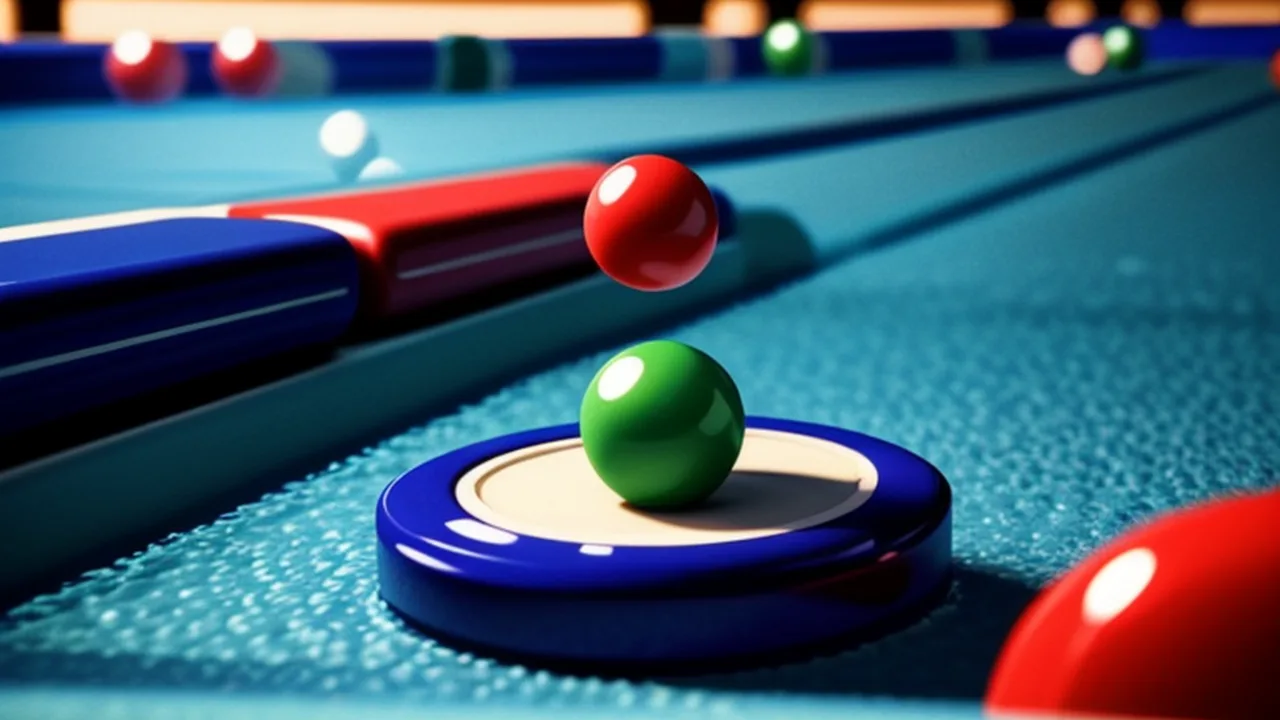
Pool Crazy Games brings the classic feel of a billiards table straight to your screen, offering a focused and satisfying way to practice your aim and sharpen your cue-ball control whenever you have a few spare minutes to play.
What Makes Pool Crazy Games Worth a Try
There is something timeless about lining up a shot and watching the balls scatter across the felt. This game captures that satisfaction without needing a physical table, making it an easy pick for anyone who enjoys precision-based play. Whether you are a casual player looking to unwind or someone who wants to refine angle knowledge, the experience stays approachable from the first rack.
As part of a wider catalog of free online games, it fits neatly into a routine where you want something quick to load and rewarding to master. The controls are simple enough to pick up in seconds, but the depth of the shot mechanics keeps you coming back to try cleaner runs and tougher positions.
Getting Comfortable With the Cue and Aiming System
The first thing to settle into is how the game handles aiming. Most pool games of this style let you drag or rotate to set your line, then adjust power before releasing. Spend your first few games simply getting a feel for how far the guide line extends and how sensitive the power meter is. A light touch on the power often produces more accurate results than slamming every shot.
Watch how the cue ball travels after contact. If it consistently drifts to one side, your contact point on the object ball is slightly off. Small adjustments to where you aim relative to the target ball's edge will bring the cue ball back under control. Building this feel early saves you from bad position play later in a rack.
Power Control: The Key to Consistent Position Play
Beginners tend to treat power as an on-or-off switch, but smooth play comes from using a range. Soft shots are ideal when the object ball is close to the pocket and you need the cue ball to stop shortly after contact. Medium power works well for moving the cue ball one or two diamonds across the table. Reserve full power for break shots or situations where a ball is buried behind others.
Practice leaving the cue ball in the center of the table after each shot. From the middle, almost every next ball is reachable without a risky bank. If you find yourself stuck near a rail after every shot, dial your power back by about twenty percent and see how the position improves.
Reading Angles and Planning Two Shots Ahead
Good pool is rarely about the ball you are hitting right now. It is about where the cue ball ends up afterward. Before you commit to a shot, trace the natural path the cue ball will take after contact. On a straightforward cut shot, the cue ball deflects along the tangent line, roughly ninety degrees from the object ball's direction.
Use that knowledge to pick your next target first, then choose the current shot that puts you there. This simple habit of working backward from the desired position will raise your consistency more than any single aiming trick. Even on easier layouts, taking five seconds to plan the sequence prevents the frustrating miss that comes from poor leave.
Managing Tough Layouts and Safety Moments
Not every rack gives you a clean run-out. Sometimes a cluster blocks your path, or the only available pot requires a thin cut that risks scratching. In these moments, resist the urge to force a low-percentage shot. Nudge a ball free, push the cue ball to a safer area, or take the easy pot that improves your layout for the next turn.
Thinking defensively is not passive; it is smart. Leaving your opponent with a difficult table is often better than handing them an easy opportunity after a failed attempt. Recognizing when to play safe is the difference between a scrappy win and a frustrating loss.
| Feature | Details |
|---|---|
| Gameplay style | Precision aiming with cue-ball position play |
| Controls | Drag or rotate to aim, then set shot power |
| Session pace | Short focused rounds suited to quick play |
| Device fit | Works well on desktop and touch screens |
| Category match | Skill-based sports and casual puzzle play |
Breaking the Rack for a Strong Opening
The opening break sets the tone for the entire rack. Aim slightly off-center rather than dead-on, and put solid but controlled power into the cue ball. Hitting the head ball too flush often sends the cue ball straight into the corner pocket for an instant scratch, while a slight offset keeps it near the center of the table.
After the break, survey the spread before touching anything. Identify which balls are near pockets and which are tied up. Starting with the easiest available pot builds rhythm and often opens a cluster naturally as nearby balls shift. Letting the table work in your favor beats forcing a difficult shot right out of the gate.
Building a Practice Routine That Actually Improves Play
Improvement comes from deliberate repetition, not just playing match after match. Set small goals for each session. One day, focus purely on stopping the cue ball where you intend. Another day, work on cut shot accuracy from the same spot until it feels automatic. Short, focused practice blocks beat long sessions where attention drifts.
Review your misses honestly. Was the aim off, or was the power wrong? Was the shot itself reasonable but the position afterward terrible? Identifying the actual cause of a miss helps you fix the right problem instead of guessing. Over time, these small corrections compound into noticeably cleaner play.
Staying Patient Through Missed Shots
Even experienced players miss makeable shots. What separates strong players is how they respond. A single bad shot does not decide a rack unless you let frustration dictate the next three. Take a breath, reset your aim, and commit fully to the shot you choose. Hesitation mid-stroke is one of the most common causes of missed pots.
Celebrate the good shots and treat misses as information rather than failure. Every miss tells you something about your aim, your power judgment, or your reading of the angle. Keep that mindset and steady improvement follows naturally.
FAQ
Do I need to download anything to play?
No. The game runs directly in your browser, so you can start playing within seconds without installing software.
Is it suitable for beginners?
Yes. The controls are straightforward, and the difficulty scales naturally with the layouts you face. New players can learn comfortably while more experienced players still find challenge in tougher racks.
Can I play on a phone or tablet?
The game is designed to work across devices, so you can enjoy it on a desktop, phone, or tablet with touch or mouse controls.
How can I improve quickly?
Focus on power control and planning your cue-ball position before each shot. These two habits produce the fastest improvement for most players.