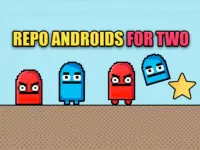
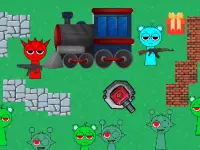
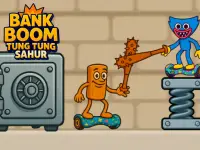
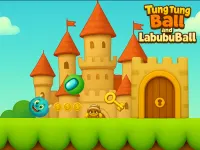
The 2 Player Games tag page organizes a specific selection of browser titles designed for shared local sessions or head-to-head competition. Players browse this section to find accessible options for two people on a single device without needing complex network setups. This label groups titles by the shared input requirement, streamlining the search for immediate cooperative or competitive play on one screen.
Last Updated:
Local Multiplayer Browser Titles
This collection groups browser titles based on the specific requirement of two active participants sharing one control scheme or screen space. The tag covers various genres, from fighting and sports to puzzle-solving, but the defining trait is the split or shared interface. Players can expect mechanics that rely on direct interaction between two inputs, creating a dynamic where coordination or opposition drives the pacing and session length.
Selecting Shared Input Titles
Choosing the right option depends on available screen real estate, preferred competition style, and whether the session calls for teamwork or rivalry. Players should consider device compatibility and whether the control layout supports comfortable dual input on the same keyboard or touchscreen.
Shared Screen Dynamics
Most titles in this section rely on split-screen views or turn-based mechanics to manage two inputs on one device. Keyboard mapping often assigns specific zones for each participant, or touch controls may divide the screen area. Performance remains stable as these browser titles are optimized for local rendering rather than network synchronization. Loading times are minimal, allowing for quick transitions between rounds or matches. The core loop focuses on immediate reaction to the other participant’s actions.
Optimizing Dual Input Sessions
Verify that the chosen title supports the intended input method, as some browser titles favor keyboard while others work better with touch or gamepads. Maintain awareness of the opponent’s strategy to adapt quickly during competitive rounds. Check the control layout before starting to avoid confusion during fast-paced segments. Select titles with clear visual indicators to distinguish between the two participants’ status.
Local Play Value
This tag offers high replay value due to the unpredictable nature of human-versus-human interaction. It suits both quick, casual rounds and longer sessions depending on the genre selected. The primary benefit is the immediate accessibility of shared play without external hardware or accounts. Players return to these titles for reliable local entertainment.
2 Player Games FAQs
Q: Do these browser titles require two keyboards? A: No, most map both participants to different zones of a single keyboard. Q: Can touch devices handle two players? A: Many titles split the touch area, though screen size affects comfort. Q: Are network connections needed for these titles? A: No, the tag focuses on local shared-screen play. Q: How do I find competitive versus cooperative options? A: Check the genre tags like Fighting for competition or Puzzle for cooperation.