Separate lane bowling from pin puzzles
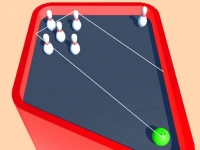
Classic Bowling, Bowling Stars, Go Bowling 2 and Ten Pin Bowling are examples of bowling-themed titles visible in the collection. Rope Bowling suggests a different kind of setup from a straightforward lane delivery, while the listing also includes screw puzzles and crewmate-themed results. That variety makes the destination description important. A pin or ball in the artwork does not establish the scoring system, controls or opponent options.
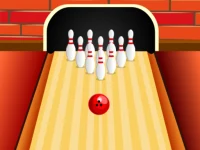
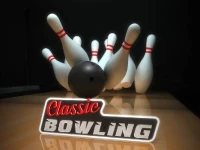
For a clearly defined lane game, open Classic Bowling. It divides the delivery into movement, power and effect. Follow the displayed desktop or touch instruction as the active stage changes. Learning the sequence before chasing a high score makes each roll easier to interpret. It also avoids the frustration of applying a swipe method remembered from a different game to a control that expects a timed selection.
Choose a useful first target
On a full rack, look for a contact that sends pins into their neighbours rather than imagine the ball must touch every pin directly. After the opening roll, the standing pins define a new problem. An isolated corner pin needs a different route from a central group. A separated split can be harder to cover with one delivery. Read the leave before deciding how to adjust the next ball.
Do not let the size of a power meter become the objective. Strong contact is useful only when the ball reaches a suitable line. Begin with settings you can select consistently, then observe the path and final leave. If you alter position, power and effect simultaneously, a different result tells you little about the cause. A modest change with the other choices held steady provides better practical feedback.
Understand what the scoreboard is telling you
In standard ten-pin scoring, strikes and spares earn bonuses from later deliveries. That is why an earlier frame may not receive its final value immediately. A strike uses the next two deliveries, while a spare uses the next one. An open frame counts the pins knocked down without completing the rack. The current game's own frame indicators remain the guide to where you are in its sequence.
Scoring knowledge makes consistent spare attempts more satisfying. A first ball that misses a strike can still lead to a useful frame if the second ball clears the remaining pins. Treat that delivery as a fresh target rather than an apology for the first. For games using a different pin challenge or scoring system, read their objective instead of applying ten-pin bonuses automatically.
Compare games by how you want to play
A lane game suits players who enjoy repeatable deliveries and small adjustments. A pin-themed puzzle may place more emphasis on the order of actions or on reaching a target from an unusual arrangement. Broader collection results may have no bowling mechanic at all. Choose with that distinction in mind. A clear decision about the activity is more useful than assuming every similarly named card provides the same experience.
Check the selected title's visible controls and modes before starting. This page does not guarantee real-time online opponents, persistent accounts or a particular competitive format. Those details belong to the actual game. If you change versions, give yourself a short period to learn its input response before comparing results. A score achieved under one control system may not be directly comparable with another game's total.
Build a repeatable delivery
The Classic Bowling control and spare guide explains how position, power and effect work together, with scoring examples and practice questions. Use it to choose one focus for your next session. Watching the route, waiting for the pins to settle and making a deliberate adjustment gives each frame a purpose. That approach is useful even when the result is an ordinary spare rather than a spectacular strike.