Shared Control and Session Flow
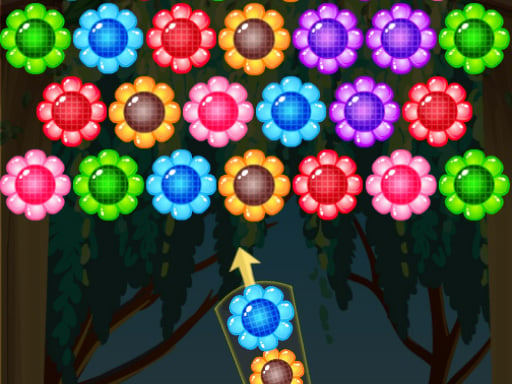
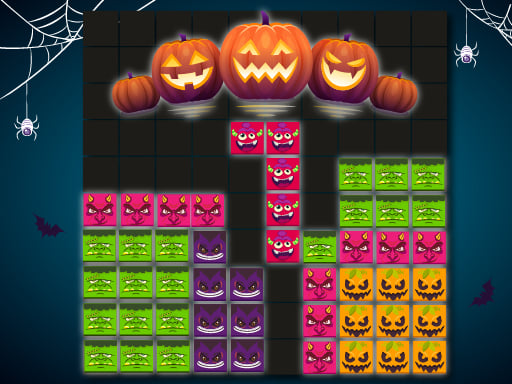
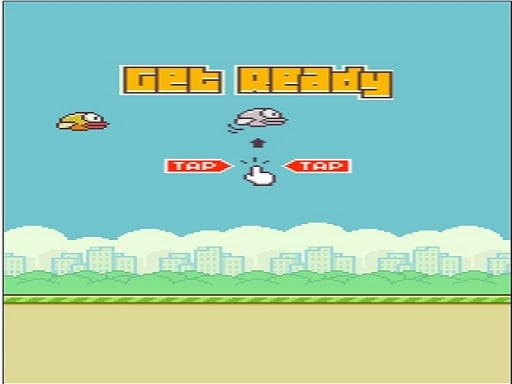
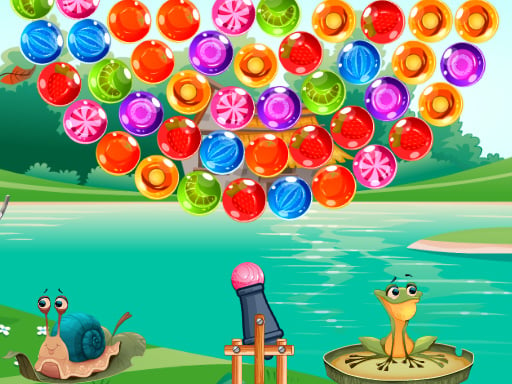
Co-op collections center on joint inputs, turn-sharing, or simultaneous movement toward a common goal. Titles here range from puzzle pairs to action stages and arcade rounds, all designed for two or more players. Session pacing tends to stay short, with clear rounds and quick restarts. This section favors browser titles with fast loading and simple setup, making it useful for two-player action titles.
Finding the Right Pair or Group
Choose based on how many people are present, the preferred pace, and the device layout available for shared control. Match choice with time, device fit, and whether local or remote pairing is needed, keeping the tone casual or competitive.
Local and Networked Play Patterns
Many titles under this label support local pairing on one device, while others rely on browser-based links for remote sessions. Controls often split between keyboard halves, touch zones, or shared pointers, so layout matters before starting a round. Expect short rounds, clear feedback, and repeat attempts rather than long progression arcs. Browser support is broad, and most picks run without downloads, which suits quick testing across devices.
Smooth Starts and Steady Coordination
Test control mapping before the first round to avoid misreads during fast segments. Maintain clear roles when the title splits tasks, since coordination beats speed in many shared setups. Short sessions work best for learning patterns, while longer runs suit groups that already know the control split. Favor picks with readable visuals and simple prompts, especially on smaller screens.
Why Use This Tag
The co-op tag streamlines browsing for shared-control picks, saving time when two or more players need a quick match. It highlights titles with local pairing, remote linking, or split inputs, and it helps filter for no-download access. The label suits both short bursts and repeat sessions, making it practical for mixed moods and device types.
co-op FAQs
Q: What does the co-op tag cover? A: Titles built around shared control, paired inputs, or linked sessions for two or more players.
Q: Are all picks browser-based? A: Many run in modern browsers without downloads, though access varies by title.
Q: Can two people share one keyboard? A: Some titles support split keys or shared zones, depending on the control layout.
Q: Do remote pairing options exist? A: Some titles offer link-based pairing, while others focus on local shared control.