Why the hex label groups puzzle and strategy picks
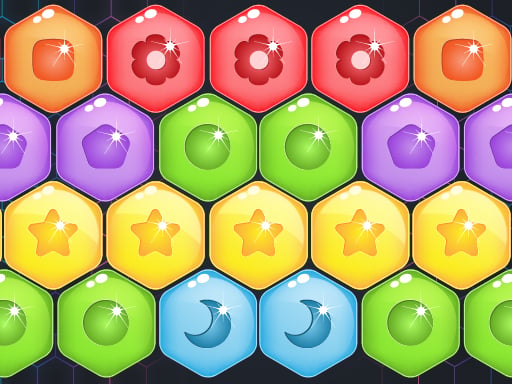
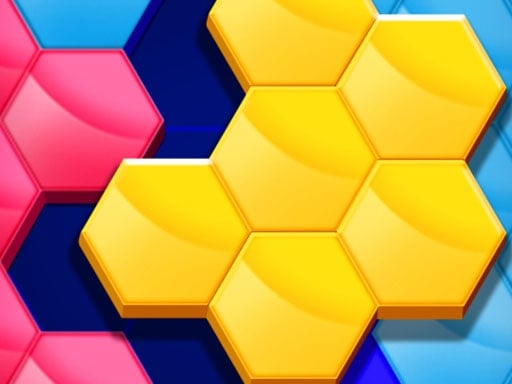
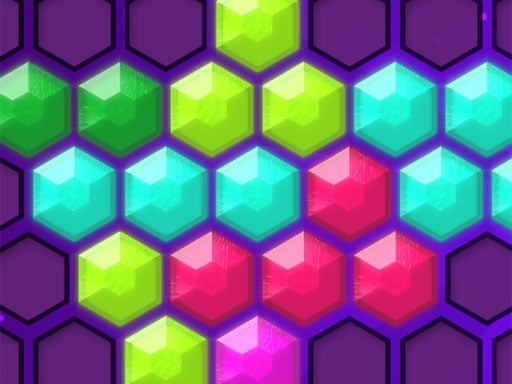
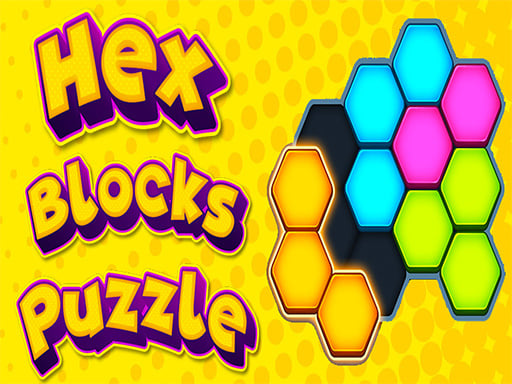
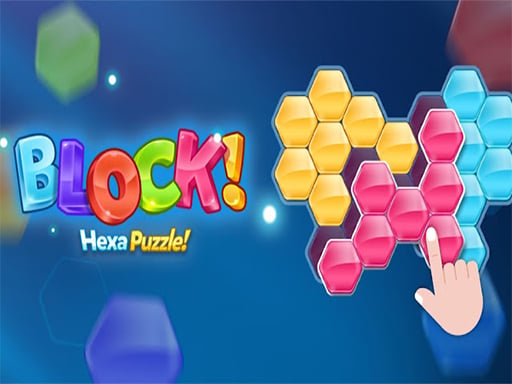
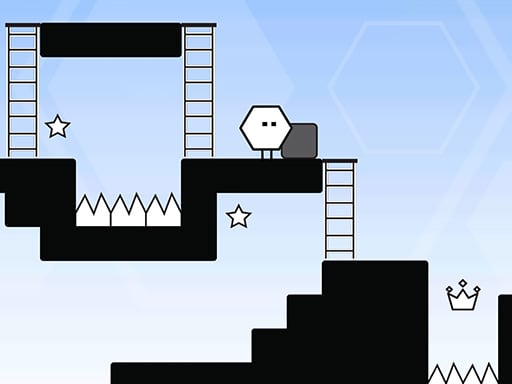
Hex as a tag organizes many titles where gameplay centers on six-sided grids, tile adjacency, or pattern-based placement across connected cells. Typical actions include placing, rotating, matching, or swapping tiles to clear rows, fill zones, or create chains. The pacing tends toward measured decisions rather than split-second reactions, giving players time to assess board states and plan moves. Access through browser titles means no download is needed, and most modern browser titles load quickly on desktop or mobile depending on layout support.
Choosing hex picks by pace and device
Players can choose based on available time, preferred complexity, and whether touchscreen or mouse input feels more natural for the grid layout. For quick sessions, shorter rounds with clear win conditions work well, while longer strategy picks reward careful planning.
How hex mechanics shape play
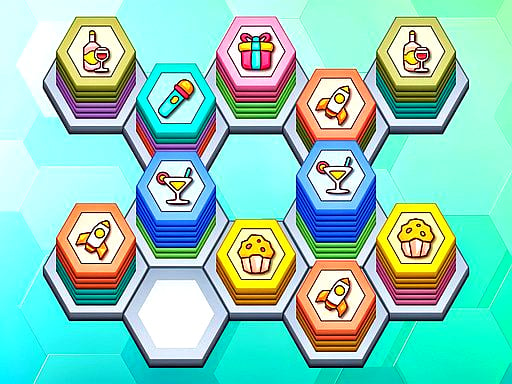
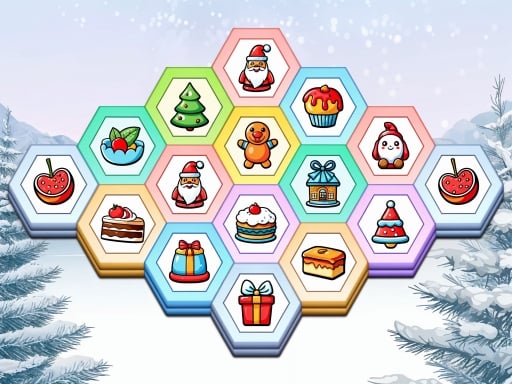
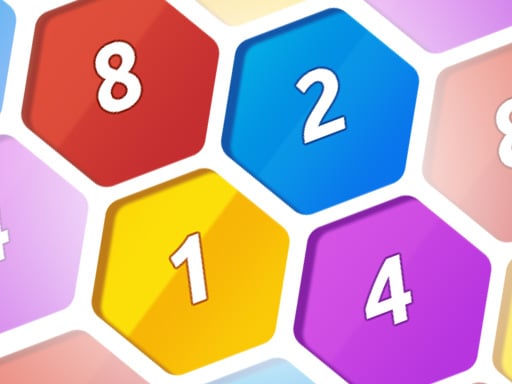
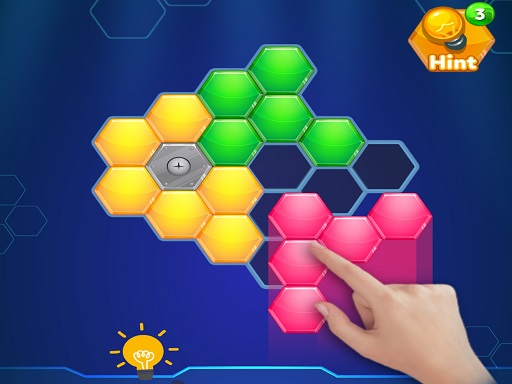
Most titles in this section rely on adjacency rules, where each tile connects to six neighbors instead of four, changing how patterns form and expand. Common goals include clearing specific colors, filling target zones, or preventing the board from overflowing with new tiles. Feedback loops often come from chain reactions, where one placement triggers cascading matches or area shifts across the grid. Many modern browser titles under this label support both desktop and mobile input, though touchscreen play depends on how the layout handles tile selection and drag actions. The format suits short-session puzzle play and longer strategy planning without requiring downloads or installs.
Getting better results from hex sections
Start by scanning the full board before committing to a move, since hex grids can hide adjacency chains that are not immediately obvious. Maintain awareness of empty zones, because filling them too early can block future placement options. Try different tile patterns to see which placement styles produce the most consistent clears or expansions. When a title offers hints or preview features, use them sparingly to build pattern recognition over time.
Why hex works for repeat browsing
This tag appeals to players who prefer structured spatial thinking and want puzzle picks that reward planning over speed. The hex grid format supports both quick rounds and extended sessions, depending on the chosen title and its win conditions. Browsing the tag again later lets players find new puzzle picks or revisit favorites with different strategies in mind.
hex FAQs
Q: What makes hex grids different from square grids in puzzle play? A: Six-sided adjacency creates more connection points, changing how patterns and chains form.
Q: Are hex puzzle picks suitable for short browser sessions? A: Many titles offer quick rounds that fit into brief play windows.
Q: Can touchscreen input work well for hex tile placement? A: It depends on the layout, but many modern browser titles support touch controls.
Q: Do hex strategy titles require long planning time? A: Some do, while others focus on faster pattern matching and chain reactions.