What the Restaurant Tag Groups
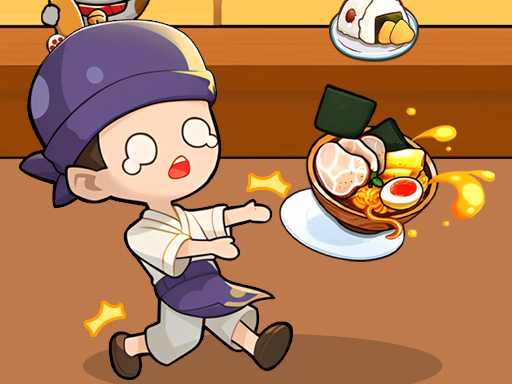
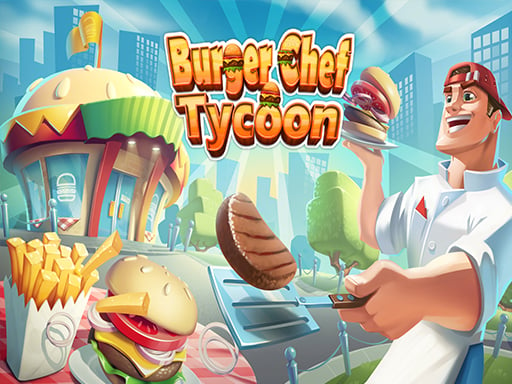
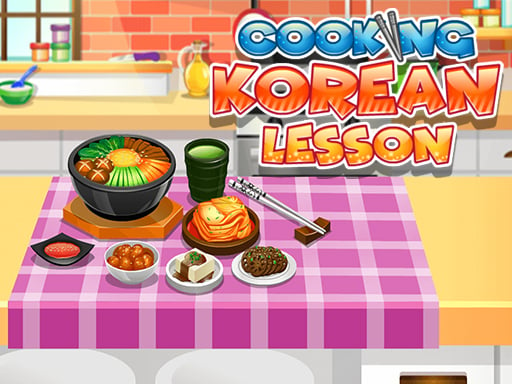
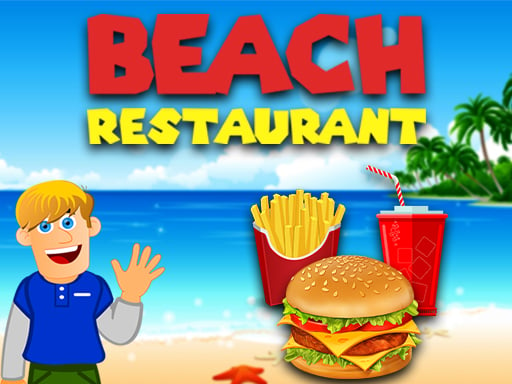
This tag organizes titles around a shared theme of food preparation and customer service. Typical actions include cooking, plating, serving, and managing orders under time pressure. Many titles under this label feature short rounds, escalating difficulty, and a loop where speed and accuracy determine progress. The Restaurant tag fits players who want task-heavy play focused on food.
Choosing a Title Inside This Tag
Players can choose based on pace, session length, device comfort, and whether they prefer cooking focus, service management, or casual kitchen tasks. Picks range from quick-service rounds to longer management layouts, with some titles leaning on cooking mechanics and others on front-of-house flow.
Kitchen Actions and Service Flow
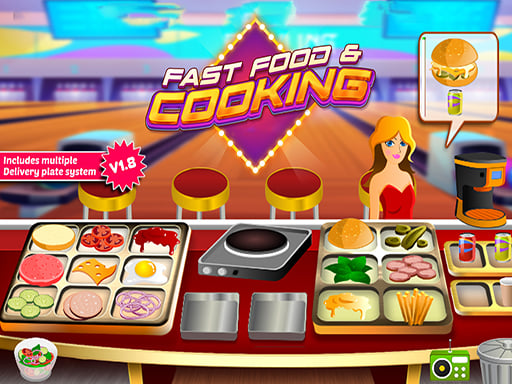
Most Restaurant titles emphasize cooking, order tracking, plating, and serving under timed conditions. Players juggle multiple tasks, prioritize orders, and react to customer requests while maintaining speed. Many browser titles under this label use simple controls for tap, drag, and select actions, keeping input readable on both desktop and mobile layouts. No-download access is common, letting players jump into a title without setup or installation. Depending on the layout, session pacing can shift from relaxed preparation to busy service rushes.
Picking Tips for Better Matches
Start with titles that match your preferred pace, whether calm kitchen prep or busy service pressure. If short sessions matter, look for rounds that reset quickly and keep progress simple. Maintain focus on titles that fit your device layout and control comfort. Use the tag to filter by theme or mechanic, then test a few picks before settling on one.
Why Players Return to This Tag
The Restaurant tag appeals to players who enjoy task management, timing-based decisions, and food-themed structure. Replay value comes from trying different service styles, adjusting pace, and testing how well a title handles multitasking. Many picks suit short breaks, while others support longer sessions when deeper management layers appear.
Restaurant FAQs
Q: What kinds of tasks appear in Restaurant titles? A: Cooking, plating, serving, and order management are common across the tag.
Q: Are these picks good for short breaks? A: Many titles work well for quick rounds with fast resets and simple goals.
Q: Do most titles need installation? A: No, many run in-browser with no download required on modern devices.
Q: Can mobile players use this tag? A: Many titles can, when controls and layout fit smaller screens.