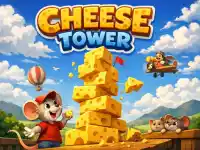
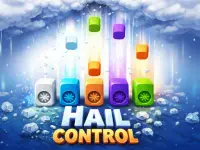
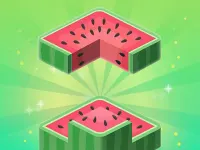
The stacking tag page groups browser titles connected by the mechanic of arranging, piling, or building vertical structures. Players use this section to find titles focused on balance, spatial planning, and structural stability across various themes. This grouping helps users quickly locate puzzle picks and physics-based play without sorting through unrelated categories.
Last Updated:
Vertical Arrangement and Structural Balance
This tag organizes titles where the core loop involves placing objects on top of each other or fitting pieces together. The focus stays on spatial judgment, weight distribution, and timing. Many titles in this section use physics engines to simulate gravity and collision. The pacing often ranges from relaxed planning to timed challenges requiring quick placement decisions.
Choosing a Stacking Title
Players choose based on preferred pace, available time, and whether they want physics-based or grid-based arrangement. Some titles focus on precision placement, while others use speed-based scoring to drive replay. This section includes both casual puzzle picks and more demanding structural challenges.
Physics and Placement Rules
The core mechanic involves evaluating object shapes, sizes, and weight to build stable structures. Many titles require players to avoid toppling stacks by adjusting placement angle and sequence. Some physics-based stacking titles include environmental factors like wind or moving platforms. Others use grid-based systems where pieces must fit specific slots to complete a level. The feedback loop centers on trial, adjustment, and learning from structural failures.
Improving Structural Choices
Start by placing the largest, most stable objects at the base to improve overall balance. Maintain focus on the center of gravity when adding higher pieces to reduce wobble. Use the preview or shadow feature when available to test placement before confirming. For timed titles, prioritize stable sections first before attempting riskier arrangements.
Replay Value and Session Fit
The stacking tag offers replay value through score-chasing and trying alternative placement strategies. Many titles work well for short sessions due to clear, round-based structures. This section suits players who prefer focused, one-attempt challenges over long narrative progression.
stacking FAQs
Q: Do stacking titles usually use physics engines? A: Many rely on simulated gravity, collision, and weight to create structural challenges. Q: Can stacking play fit mobile screens? A: Many titles can, when controls and layout support precise tapping or dragging. Q: Are grid-based stacking picks different from physics ones? A: Yes, grid-based titles focus on fitting pieces into slots rather than balancing weight. Q: Is this tag only for puzzle players? A: No, it includes both casual arrangement titles and more demanding structural challenges.