




















Mastering Klondike Turn Three: Tips and Strategies
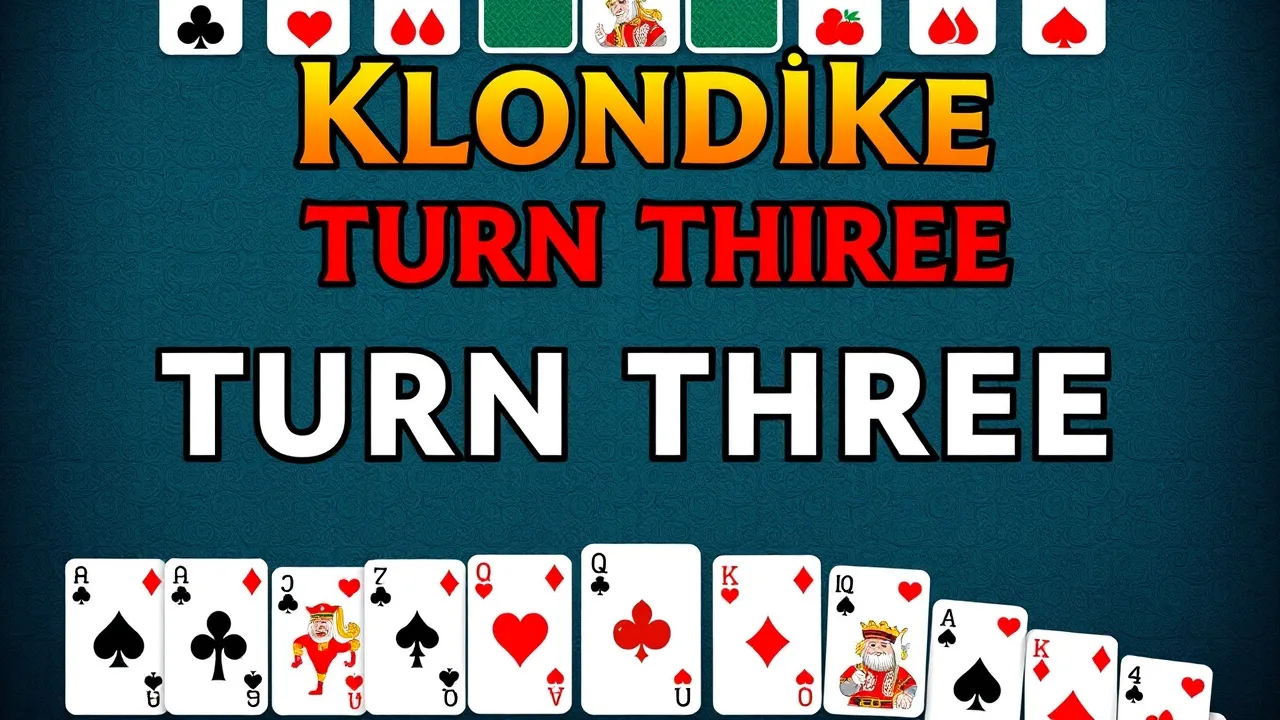
Klondike Turn Three is a classic variation of solitaire that offers a more strategic challenge than the standard draw-one version. By flipping three cards at a time from the stockpile, players must think several moves ahead to uncover the cards they need. This popular card game is perfect for anyone looking to test their planning skills while enjoying a relaxing yet engaging solo experience.
The goal remains the same as traditional Klondike: move all cards to the four foundation piles, starting with Aces and building up by suit to Kings. The key difference lies in how you draw from the stock. When you click the stockpile, three cards are revealed, but only the topmost card can be played directly to the tableau or foundations. The others must wait their turn in the waste pile. This mechanic adds a layer of patience and foresight to every move.
Why the Three-Card Draw Changes Everything
In the draw-one version, you have immediate access to a new card with each click. Turn Three forces you to work with a limited view of your stock. You might need a specific card buried two positions deep in the waste, requiring you to plan your tableau moves to eventually cycle through the stock again. This makes sequencing your plays critically important. A move that seems helpful now might block access to a crucial card later in the game.
Essential Strategies for Winning More Games
Success in this game hinges on careful planning. Always prioritize uncovering face-down cards in the tableau, especially those in columns with the fewest cards. Before making a move, consider whether it helps reveal hidden cards or if it merely shifts cards around without progress. Try to keep at least one tableau column empty whenever possible; this provides a vital temporary space for maneuvering sequences of cards during complex plays.
Managing the Stockpile and Waste Pile
The stockpile is your lifeline, but it's also a puzzle. Avoid cycling through it repeatedly without a clear goal, as this wastes valuable turns. Pay close attention to the order of cards in the waste pile. Sometimes, it's better to hold off on playing a card from the waste to the tableau if doing so would bury another essential card deeper in the waste. Think of the waste pile as a queue you must manage carefully.
Advanced Techniques for Difficult Deals
When you encounter a tough layout, focus on building your foundations gradually. Don't rush to move cards up to the foundations if it means stranding a crucial sequence in the tableau. Use the "undo" feature liberally to explore different move sequences without penalty. A key advanced tactic is to identify which suit you are building most successfully and try to clear cards of that suit from the tableau to create more flexibility.
| Feature | Details |
|---|---|
| Gameplay Style | Single-player, turn-based patience game |
| Controls | Click/tap to draw and drag cards to move them |
| Session Pace | Relaxed and strategic, no time pressure |
| Device Fit | Excellent on desktop and mobile screens |
| Category Match | Classic card games, puzzle, solo entertainment |
Common Mistakes to Avoid
One frequent error is playing too quickly without considering the consequences. Rushing to move a card to an empty column can block more important plays. Another mistake is neglecting the foundations. While you shouldn't be hasty, completely ignoring them can lead to a stalemate where you have cards to play but no place to put them. A balanced approach is best.
Building a Winning Mindset
Not every deal is winnable, and that's okay. The real enjoyment comes from the process of problem-solving. Treat each game as a new puzzle. If you feel stuck, take a short break and return with fresh eyes. Celebrating small victories, like uncovering a long-buried card or successfully clearing a column, keeps the experience positive and rewarding.
Frequently Asked Questions
Is this game purely based on luck?
While the initial deal involves chance, your decisions and strategy have a significant impact on the outcome. Skilled players win far more often than beginners.
Can I play this on my phone?
Yes, Klondike Turn Three is designed to work well on both desktop browsers and mobile devices, with touch-friendly controls.
What's the difference between Turn One and Turn Three?
Turn Three is generally considered more challenging because you draw three cards at once, limiting your access to the stock and requiring more careful planning.
Are there any time limits?
No, you can take as much time as you need to plan your moves. The game is about strategy, not speed.